
Could Insulin Resistance Be Causing Your Fatigue?

Many women come into the office describing a frustrating pattern of symptoms they can’t fully explain.
“I crash every afternoon.”
“I’m exhausted after eating.”
“I crave sugar constantly.”
“I feel tired no matter how much I sleep.”
Often, they assume these symptoms are simply stress, aging, or a busy lifestyle. In many cases, however, insulin resistance may be playing a much larger role than they realize.
Insulin resistance affects far more than blood sugar alone. It can influence energy levels, hormone balance, mental clarity, cravings, metabolism, and even sleep quality. Because these systems are deeply connected, symptoms often develop gradually and may not initially appear related.
Understanding the connection between insulin resistance, hormones, and fatigue can help explain why so many women feel physically and mentally depleted during midlife.
What Is Insulin Resistance?
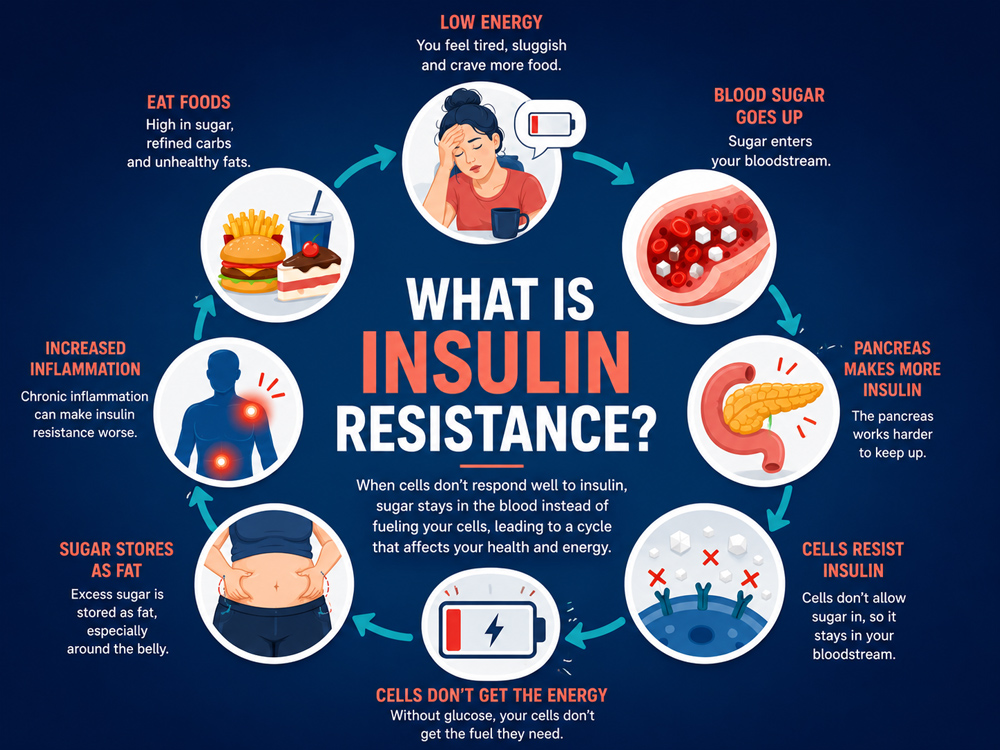
Insulin is a hormone that helps move sugar from the bloodstream into the body’s cells, where it is used for energy.
With insulin resistance, the body has a harder time using that sugar efficiently. As a result, the pancreas produces increasing amounts of insulin to try to keep blood sugar levels stable.
Over time, this can affect energy, cravings, metabolism, weight, and hormone balance. Because these symptoms often develop gradually, insulin resistance can go unnoticed for years.
Insulin Resistance Symptoms in Women
Many women experiencing insulin resistance do not realize their symptoms may be connected to blood sugar regulation.
Common insulin resistance symptoms in women include:
- fatigue after meals
- afternoon energy crashes
- sugar or carbohydrate cravings
- brain fog
- irritability when hungry
- difficulty losing weight
- increased abdominal weight gain
- waking during the night
- low energy despite adequate sleep
These symptoms can feel confusing because they often fluctuate throughout the day. Many women describe periods of feeling relatively normal followed by sudden exhaustion, shakiness, or intense cravings.
“In many cases, these symptoms are not simply about willpower or discipline,” says Dr. Fliedner. “They may reflect the body struggling to regulate energy efficiently.”
Why Blood Sugar Swings Cause Fatigue
The body depends on relatively stable blood sugar levels to maintain consistent energy.
When blood sugar rises rapidly, especially after meals high in processed carbohydrates or sugar, insulin levels surge in response. This can sometimes lead to a sharp drop in blood sugar afterward, leaving people feeling fatigued, shaky, hungry, or mentally foggy.
Many patients describe this cycle as feeling like an energy roller coaster.
Energy rises quickly, then crashes just as fast.
This pattern can contribute to:
- fatigue after eating
- cravings for more sugar or caffeine
- difficulty concentrating
- mood swings
- irritability
Over time, repeated blood sugar swings can place additional stress on the body’s hormonal and metabolic systems.
The Hormone–Blood Sugar Connection
Hormones and blood sugar regulation are closely connected.
Hormones such as estrogen, progesterone, cortisol, and insulin continuously influence one another. When one system becomes disrupted, the effects are often felt throughout the body.
During perimenopause and menopause, changes in estrogen and progesterone can affect insulin sensitivity and the body’s ability to process glucose.
At the same time, stress hormones may become more reactive, sleep may become less restorative, and metabolism often changes.
This combination can make women more vulnerable to:
- insulin resistance
- energy crashes
- increased cravings
- abdominal weight gain
- persistent fatigue
Rather than a single isolated issue, many women are experiencing the combined effects of hormonal and metabolic shifts.
What Contributes to Insulin Resistance?
Insulin resistance rarely develops because of one single factor. More often, it reflects a combination of stress, hormonal changes, sleep disruption, genetics, nutrition, and reduced metabolic flexibility over time.
Several factors can contribute, including:
- chronic stress and elevated cortisol
- poor sleep quality
- diets high in processed carbohydrates and sugar
- reduced muscle mass and physical inactivity
- hormonal changes during perimenopause and menopause
- genetics and family history
For many women, these changes develop gradually, which is why symptoms are often easy to overlook at first.
Cortisol, Stress, and Blood Sugar
Cortisol, the body’s primary stress hormone, also plays a major role in blood sugar regulation.
Under stress, the body intentionally raises blood sugar levels to provide quick energy in response to a perceived threat or emergency. In short-term situations, this response is helpful and protective.
However, chronic stress can keep cortisol levels elevated for extended periods. See our article, Why Stress Can Make You Feel Exhausted.
Stanford neuroscientist Andrew Huberman has discussed how prolonged stress affects cortisol rhythms, energy regulation, and metabolic stability. When stress becomes chronic, the body may remain in a prolonged “fight-or-flight” state that disrupts both hormones and blood sugar balance.
Patients often describe this as feeling “wired but tired.”
The nervous system stays activated, but true recovery becomes difficult.
Over time, elevated cortisol can contribute to:
- fatigue
- increased cravings
- sleep disruption
- abdominal weight gain
- worsening insulin resistance
If stress and fatigue sound familiar, you may also find it helpful to read our article, Why Stress Can Make You Feel Exhausted.
Why Insulin Resistance Affects Brain Fog
The brain requires a steady supply of glucose to function efficiently.
When blood sugar fluctuates significantly throughout the day, mental clarity and concentration can suffer.
Many women experiencing insulin resistance report:
- difficulty focusing
- forgetfulness
- mental fatigue
- slower processing
- trouble concentrating
This is one reason blood sugar instability and brain fog often appear together.
If you’re experiencing these symptoms, you may also find it helpful to read our article, Brain Fog in Your 40s and 50s: Hormones, Memory, and Concentration.
Sleep, Hormones, and Metabolic Health
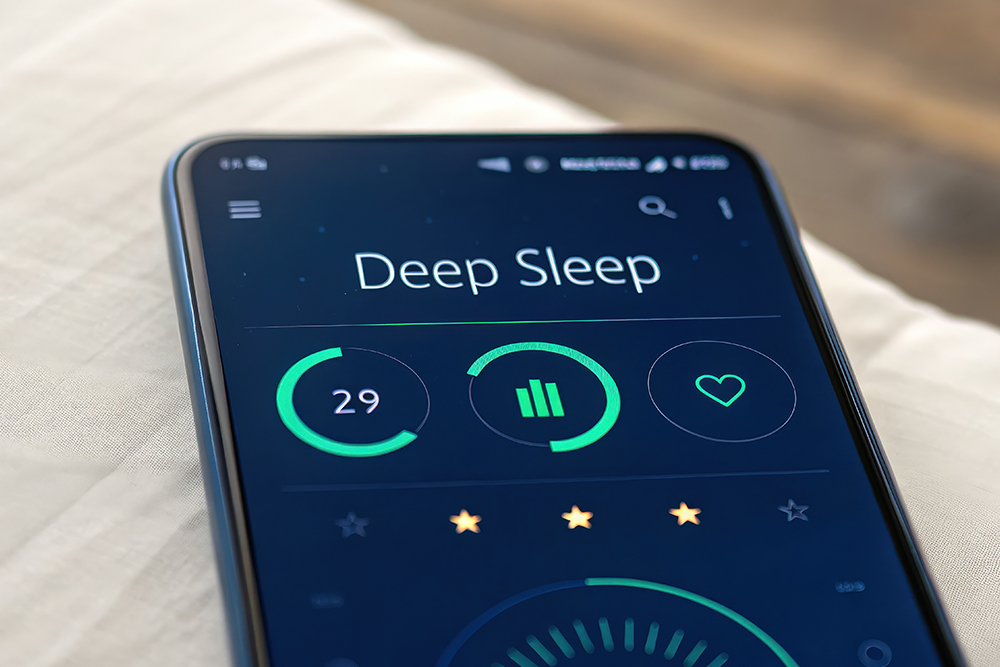
Sleep is one of the most important, and often overlooked, components of metabolic health.
Poor sleep affects insulin sensitivity, stress hormone regulation, appetite signaling, and energy production.
In his book, Why We Sleep, Neuroscientist Matthew Walker has extensively discussed how sleep disruption impairs the body’s ability to regulate both glucose metabolism and cognitive function.
When sleep becomes fragmented or insufficient, the body becomes less efficient at managing blood sugar levels. In turn, unstable blood sugar can worsen sleep quality, creating a cycle that becomes increasingly difficult to break.
Many women notice that poor sleep, fatigue, cravings, and brain fog all tend to worsen together.
If poor sleep and exhaustion have become ongoing struggles, you may also want to read, Why Am I Always Tired? The Hormonal Fatigue Many Women Don’t Realize.
Why Many Women Don’t Realize This Is Happening
One of the most frustrating aspects of insulin resistance is how easy it is to dismiss the symptoms.
Many women blame themselves for:
- low energy
- weight gain
- cravings
- lack of motivation
Others assume they are simply getting older or not trying hard enough.
In reality, the body may be struggling with metabolic regulation in ways that are not immediately obvious.
Because these symptoms often develop gradually, many women adapt to feeling tired, mentally foggy, or depleted without realizing there may be an underlying physiological reason.
Our Approach at North Texas Vitality
At North Texas Vitality, Dr. Fliedner approaches symptoms such as fatigue, brain fog, weight changes, and metabolic dysfunction by examining how the body’s systems work together rather than treating symptoms in isolation.
Many women come in frustrated because they know something feels “off,” even though they have been told their labs are normal or that their symptoms are simply part of aging. Our goal is to help identify the underlying patterns contributing to those symptoms and provide clear answers about what may be happening physiologically.
“Hormone therapy isn’t about boosting hormones unnecessarily,” Dr. Fliedner explains. “Our goal is to understand what the body is telling us and restore balance when hormone levels, stress responses, sleep, or metabolic health have become disrupted.”
When patients present with symptoms such as fatigue, blood sugar crashes, brain fog, poor sleep, cravings, or difficulty losing weight, evaluation may include:
- hormone balance
- cortisol and stress patterns
- metabolic health markers
- sleep quality
- lifestyle and nutritional factors
“Fatigue is rarely caused by one issue alone,” says Dr. Fliedner. “We often see hormones, stress, sleep, and metabolic health all interacting together.”
By understanding how these systems influence one another, we can create a more personalized plan that supports stable energy, clearer thinking, and better overall health.
Supporting Stable Energy and Metabolic Health
Improving metabolic health does not usually require extreme approaches. In many cases, small, consistent changes can significantly improve energy stability and overall well-being.
Supportive strategies may include:
- prioritizing protein and balanced meals
- improving sleep quality
- reducing chronic stress
- regular movement and muscle support
- addressing hormonal imbalances when appropriate
The goal is not perfection. It is helping the body become more stable and efficient over time.
Can Insulin Resistance Improve?
In many cases, yes.
One encouraging aspect of insulin resistance is that the body often responds well to consistent lifestyle and metabolic support. Improvements in sleep, stress management, nutrition, movement, and hormone balance can all positively influence insulin sensitivity.
The key is identifying the underlying patterns early and creating a plan that supports long-term metabolic health rather than relying on short-term fixes.
At North Texas Vitality, the goal is not simply to chase symptoms, but to help patients better understand what may be contributing to fatigue, cravings, weight changes, and low energy in the first place.
Ready to Understand What’s Behind Your Fatigue?
If you’re experiencing fatigue, cravings, brain fog, or unexplained weight changes, insulin resistance and hormonal imbalance may be part of the picture.
Understanding how blood sugar, stress hormones, and metabolism interact can help explain why your body feels depleted.
“We want patients to understand what their symptoms are telling them,” says Dr. Fliedner. “Once we identify the underlying patterns, we can create a plan that supports better energy and overall health.”
Call our office or schedule your consultation using the form below.
"*" indicates required fields