
Perimenopause Survival Guide for Husbands

How to Support the Woman You Love, and Protect Your Marriage
Perimenopause is not just “PMS, but more.” It is a real hormonal transition that can disrupt mood, energy, sleep, libido, and even a couple’s sense of connection. Many women feel blindsided. Many husbands feel confused or rejected.
If this describes your home, you are not alone.
With understanding, practical support, and the right care, couples can navigate this season together. Let’s talk a little about what’s going on with her, and immediate, easy changes partners and husbands can make to turn things around.
What Is Perimenopause?
Perimenopause is the transition leading up to menopause, usually in the mid-to-late 40s, sometimes earlier. Estrogen and progesterone levels begin to fluctuate, cycles can shorten or become erratic, and stress hormones can run high. The result can feel like a moving target: she might feel fine one week and overwhelmed the next.
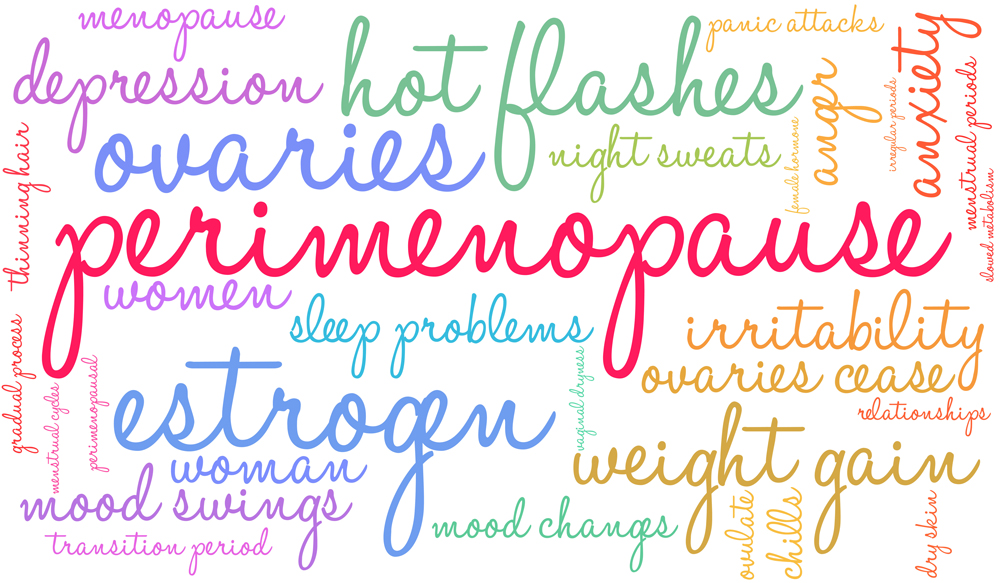
Common Symptoms
- Mood changes: irritability, anxiety, low mood
- Sleep disruption, night sweats, hot flashes
- Brain fog, trouble concentrating
- Low libido, vaginal dryness, discomfort with intimacy
- Weight gain, bloating, energy dips
- Irregular or heavy periods, migraines
None of this means your wife does not love you. She is trying to cope with changes and act like nothing’s wrong, but her physiology is asking for help. She needs support from her husband and a professional who can help bring her hormones into balance and peace in her home.
How Perimenopause Can Strain a Marriage
- Mismatch in expectations. Sometimes she needs comfort or quiet, and you jump in to fix the problem. Both of you can end up feeling unheard. Naming the need first, then asking how you can help, brings you back to the same side.
- Intimacy changes. Her pain, dryness, or low desire can feel personal, yet it is not about love or attraction. These are common changes that we can treat at North Texas Vitality. Approaching them with patience and care protects your connection.
- Sleep and stress. Poor sleep reduces everyone’s patience, so small frustrations can grow into big arguments. Protecting rest together with simple routines can quickly calm emotions.
- The invisible load. Work, parenting, caregiving, and shifting hormones can all stack up at once. Sharing tasks, even a few specific ones, lightens the load and signals that you are a team.
Good news: Small daily choices, plus bioidentical hormone therapy, can ease the pressure greatly.
What Husbands Can Do This Week
- Lead with curiosity, not correction.
Try: “On a scale of 1 to 10, how tough is today, and what would help right now?” - Listen for the need beneath the words.
If she says, “I cannot do this,” reflect it: “You are overwhelmed, and you need me to take X off your plate. I can do that.” - Protect sleep like a team sport.
Agree on wind-down time, a cooler bedroom, blackout curtains, and fewer late-night screens. Offer to handle morning routines so she can sleep 30 minutes more. - Make intimacy safe and pressure-free.
Schedule a non-sexual connection: a walk, a back rub, a movie, or prayer. For sex, focus on comfort: have a lubricant on hand, plan for a longer warm-up, have patience, and humor. Vaginal pain is a medical issue, not a willpower issue. We can help with this, too. - Reduce friction points at home.
Pick two chores that create the most conflict and own them for the next month. - Champion healthy basics.
Cook a protein-forward dinner, invite a 20-minute walk, suggest an earlier bedtime. These simple basics go a long way toward steadying hormones. - Track patterns together.
A simple notes app can log sleep, stress, cycle days, and symptoms. Patterns guide care. - Use respectful language.
Swap “What is wrong with you?” for “Something is hard right now, how can I help?”
What Not to Say
- “You are overreacting.”
- “This is just aging.”
- “If you wanted sex, you would make time.”
- “My coworker’s wife managed fine.”
Replace these with empathy and specific offers: “Would a quiet hour alone help, or would company help more?” Showing this kindness and empathy builds a strong, compassionate relationship. Together, you can conquer this.
Checklist for Husbands
- Listen first, reflect back, ask what helps today.
- Guard sleep, create cooler, darker nights.
- Plan connection without pressure.
- Own two high-friction chores for 30 days.
- Keep lubricant on the nightstand, go slow, prioritize comfort.
- Invite short walks and simple, balanced meals.
- Track symptoms, sleep, and cycle days together.
- Schedule an evaluation with Dr. Fliedner, who understands perimenopause.
FAQs for Husbands
Is low libido my fault or a sign she is not attracted to me?
Low libido in perimenopause is usually hormonal and multifactorial. Desire often returns when sleep improves, stress lowers, and pain is addressed.
Will bioidentical hormones change her personality?
NO! Balanced hormones help her feel like herself again. The goal is a steady mood, better sleep, and more consistent energy, not a different personality.
How long does perimenopause last?
It varies, often a few years. Symptoms ebb and flow. Working with a hormone specialist like Dr. Fliedner makes the journey much smoother.
Is pain with sex normal now?
Common, not normal. Vaginal estrogen or other therapies can help. Pain is treatable.
What if she refuses help?
Stay kind, keep offering practical support, and invite a low-pressure consult. Sometimes hearing options from a clinician reduces fear.
Sample Scripts for Hard Moments
- When she is irritable: “I hear you. I am going to take the kids to the park for an hour so you can reset.”
- When sex feels distant: “I want to be close in ways that feel good for you. How about we plan a low-pressure date night and take intimacy one step at a time.”
- When she is discouraged: “You are not broken. This is a hormone transition, and we can get you help.”

A Note for Wives Who Share This Article with Their Husbands
You are not difficult, and you are not alone. You are moving through a real transition that deserves care and understanding. Dr. Fliedner and our team will listen to you, prescribe the appropriate care to treat your symptoms, and walk with you step by step.
If it feels supportive, share this article with your husband, highlight what resonates, and invite him to come to the visit in person or by video. Together, we can help you feel like yourself again and support your marriage with a custom plan to meet your needs.
When to Seek Medical Support
Consider a medical evaluation if any of the following are showing up:
- Persistent low mood, anxiety, or rage that affects daily life
- Night sweats or hot flashes that disrupt sleep
- Pain with intercourse, low libido, or vaginal dryness
- Irregular, very heavy, or very painful periods
- Brain fog or fatigue that does not improve with basics
How Dr. Fliedner Helps
Many couples feel relief once they understand the biology and have a tailored plan. Dr. Thomas Fliedner offers:
- A Comprehensive assessment: Dr. Fliedner and our team take time to listen, review your history, map your symptoms, and order labs when they truly help.
- Personalized BHRT: When appropriate, we prescribe bioidentical estrogens and progesterone tailored to your hormonal needs, with careful follow-up.
- Thyroid and stress check: We assess thyroid function and stress hormones, such as cortisol, since they influence mood, energy, and sleep.
- Simple, doable basics: We recommend medical-grade prescription supplements and real-life steps for sleep, stress, nutrition, and movement that fit your routine.
- Care partners when helpful: If you need extra support, we connect you with trusted pelvic floor therapists, counselors, or sexual health resources.
What to Expect at Your First Visit
You tell us your medical history, and we listen. We test and prescribe a clear health plan with follow-up visits. Husbands are welcome at the appointment or by video, since care works best as a team.
Ready to feel better and be a team again?
Book a Perimenopause Evaluation with Dr. Fliedner and start a plan that supports your health and marriage relationship.
By submitting this form, you agree to be contacted via phone/text/email.
"*" indicates required fields